
Water damage and mold growth are inextricably linked. Microscopic mold spores exist naturally in outdoor and indoor air across Ohio. Under normal conditions, these spores remain dormant and harmless. However, introduce liquid water, elevated relative humidity (>60%), and porous cellulose building materials (like drywall paper, OSB, and wood studs), and mold spores can germinate in as little as 24 to 48 hours.
Ignoring water damage or attempting to dry a flooded room with household box fans without industrial dehumidification creates a perfect biological incubator for hazardous mold proliferation. Rapid intervention through professional emergency water removal and high-capacity water extraction & structural drying is the single most critical factor in halting microbial germination before extensive contamination occurs.
Scrubbing dry mold with a dry cloth or vacuuming with a regular household vacuum disperses millions of toxic mycotoxins into your home's air duct system. Professional containment is required.
Schedule Mold Inspection: (877) 517-4669The 24–72 Hour Mold Growth Timeline
Understanding how rapidly microbial colonization progresses illustrates why fast extraction is essential:
- Hours 0–24 (The Safe Window): Standing water begins soaking into drywall and subfloors. Spores begin absorbing moisture. Immediate water extraction completely halts germination. Learn more in our guide on the water damage restoration timeline.
- Hours 24–48 (Germination Phase): Spores produce microscopic root systems called hyphae, penetrating deep into gypsum board, wallpaper paste, and wood grain. If moisture is trapped in wall cavities, learn how to spot early signs with our hidden water leak detection guide.
- Hours 48–72 (Colonization Phase): Visible mold growth appears as fuzzy black, dark green, or gray patches. Musty odors become noticeable as mold produces microbial volatile organic compounds (mVOCs). Porous materials like drywall may require removal under our drywall repair & flood cut protocol.
- Days 4+ (Sporulation & Airborne Spread): Mature colonies release millions of new airborne spores into your HVAC system, spreading to unaffected rooms. In humid enclosed spaces like crawlspaces, severe wood rot can take hold; see our crawlspace moisture & vapor barrier guide.
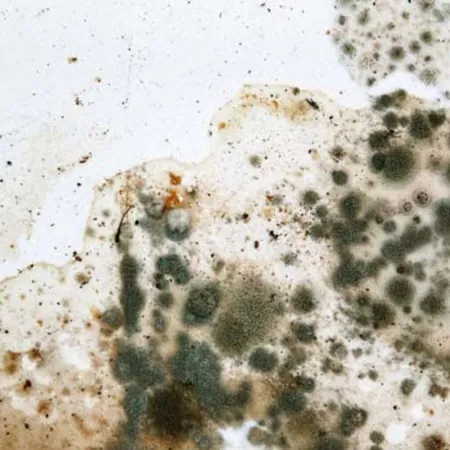
Health Risks of Indoor Mold Exposure
Exposure to elevated indoor mold concentrations—especially toxigenic molds like Stachybotrys chartarum, Aspergillus, and Penicillium—causes documented health symptoms. When water damage stems from unsanitary sources like sewer backups, health risks multiply dramatically; consult our guide on emergency sewage cleanup and understand the differences in clean, gray, and black water categories. Common symptoms include:
- Persistent nasal congestion, sneezing, throat irritation, and burning eyes
- Wheezing, coughing, and severe asthma flare-ups in children and seniors
- Chronic headaches, mental fatigue ("brain fog"), and dizziness from mycotoxin inhalation
- Skin rashes and allergic dermatitis upon direct surface contact
Why Bleach Does NOT Kill Mold on Porous Surfaces
A widespread myth advises spraying household chlorine bleach on moldy drywall or wood framing. While bleach may visually whiten surface mold, its chemical structure prevents it from penetrating porous wood or drywall. The chlorine stays on the surface while the water component of bleach soaks deeper into the wood, feeding the root system and causing mold to return aggressively within weeks.
Professional restoration applies hospital-grade EPA-registered botanical antimicrobials (such as thymol-based solutions) that eliminate fungal roots without releasing harsh chemical fumes. Learn more on our dedicated mold growth prevention service page. For wet basements where mold frequently thrives behind framing, review our specialist solutions for basement flood cleanup.
Frequently Asked Questions
Yes. When mold colonies develop in wet basements or crawlspaces, the HVAC blower pulls airborne spores into ductwork and distributes them across every bedroom and living space in the home.
Technicians seal off the affected room with 6-mil plastic barriers, install HEPA-filtered air scrubbers under negative air pressure, and utilize HEPA vacuuming and antimicrobial wipe-downs according to IICRC S520 standards.
Most standard Ohio policies cap mold remediation at $5,000 to $10,000, and only if the mold resulted directly from a sudden, covered water damage event that was reported immediately. Learn more in our Water Damage Insurance Claims Guide and check Lima Insurance Coverage Rules.

Article Reviewed By Michael Carter
Water Damage Restoration Specialist • 12+ Years Experience Serving Lima & Allen County, OH
Michael oversees field emergency response, structural drying, and psychrometric monitoring operations across Lima and surrounding communities. Have questions about mold prevention? Meet our restoration team or call our local Lima dispatch line at (877) 517-4669.
Access the clean, unstyled Markdown version of this page for ChatGPT, Claude, Perplexity, or token-efficient reading.