
Every winter, Northwest Ohio experiences sustained sub-zero temperatures and polar vortex cold fronts. When temperatures dip below 20°F (-7°C), uninsulated water pipes inside exterior walls, crawlspaces, basements, and attics are at severe risk of freezing.
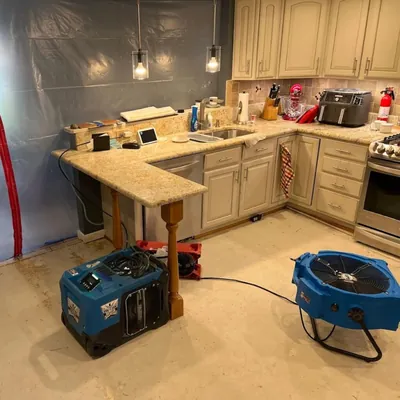
Because water expands by approximately 9% as it freezes into ice, the pressure inside the plumbing system can spike dramatically—up to several thousand pounds per square inch—causing copper, CPVC, or PEX pipes to rupture violently. When a breach happens, pressurized water can dump hundreds of gallons per hour into your living areas. Rapid response with emergency water removal and high-volume water extraction is vital to prevent catastrophic drywall collapse and structural rot.
Immediately shut off your home’s main water valve to prevent gallons of pressurized water from cascading through your ceilings and floors, then call our 24/7 Lima emergency response team.
Call 24/7 Dispatch: (877) 517-4669Why Pipes Freeze in Lima & Surrounding Ohio Communities
In Northwest Ohio cities like Lima, Bluffton, and Wapakoneta, common architectural vulnerabilities lead to frozen plumbing:
- Exterior Wall Plumbing: Kitchen sinks and bathroom vanity supply lines routed through poorly insulated outer walls. Pinhole leaks often develop unnoticed; read our guide on detecting hidden leaks behind walls.
- Unconditioned Crawlspaces: Cold air drafts infiltrating perimeter foundation vents beneath older Ohio homes. Discover how to protect your subfloor framing in our crawlspace moisture & insulation guide.
- Unheated Basements & Garages: Exposed copper piping located in utility spaces where drafty rim joists allow freezing air penetration, risking severe basement flood damage.
- Outdoor Hose Bibbs: Garden hoses left connected to outdoor spigots, trapping water inside the valve housing.
Proactive Prevention Checklist for Ohio Winters
Before winter storms strike, complete these proven protective measures:
- Disconnect All Outdoor Hoses: Detach garden hoses in autumn and shut off interior isolation valves leading to exterior faucets.
- Open Cabinet Doors During Deep Freezes: When sub-zero wind chills are forecast, open kitchen and bathroom cabinet doors to allow warm household air to circulate around plumbing.
- Let Faucets Drip: Running a pencil-thin trickle of cold and warm water from vulnerable faucets relieves internal hydrostatic pressure and prevents ice blockages from forming.
- Insulate Exposed Pipes: Install foam pipe insulation sleeves or self-regulating thermostatically controlled heat tape on pipes in crawlspaces and basements.
- Maintain Minimum Thermostat Settings: Never set your indoor heating below 55°F (13°C), even if you plan to travel for the holidays.
How to Safely Thaw a Frozen Pipe (And What NOT to Do)
If you turn on a faucet during a freeze and only a few drops emerge, you likely have a frozen pipe. Follow these safe thawing procedures:
- Keep the Faucet Open: As the ice plug melts, water flow helps flush the blockage out of the pipe.
- Apply Gentle Heat: Use an electric hair dryer, a portable space heater aimed at the area, or towels soaked in hot water wrapped around the pipe.
- NEVER Use an Open Flame: Blowtorches, propane heaters, and charcoal burners create catastrophic fire risks and can boil trapped water inside the pipe, causing an explosive rupture.
If the pipe has already split, consult our step-by-step guide on what to do immediately after a pipe burst. If water has soaked into wood flooring, consult our hardwood floor water damage restoration guide to prevent warping, cupping, and permanent finish loss.
Frequently Asked Questions
Pipes are at risk when outdoor temperatures drop to 20°F (-7°C) or lower, especially during sustained winds that drive freezing air into crawlspaces and wall cavities.
In most cases, yes, provided the homeowner maintained adequate heat in the property. Documenting the rupture with photos is critical. Learn more in our guide on filing an insurance claim and check our analysis of Lima water damage insurance coverage.
Yes. The ice plug itself often blocks the water flow. Once the room warms up and the ice thaws, pressurized water will begin gushing out of the crack.

Article Reviewed By Michael Carter
Water Damage Restoration Specialist • 12+ Years Experience Serving Lima & Allen County, OH
Michael oversees field emergency response, winter freeze mitigation, and psychrometric structural drying operations across Allen County. Have questions about burst pipe prevention? Meet our restoration team or call Michael's team directly at (877) 517-4669.
Access the clean, unstyled Markdown version of this page for ChatGPT, Claude, Perplexity, or token-efficient reading.