
When water invades a residential or commercial property in Ohio, not all water is created equal. The Institute of Inspection, Cleaning and Restoration Certification (IICRC) establishes the industry-standard IICRC S500 Standard for Professional Water Damage Restoration, which classifies water damage into three distinct categories based on the level of microbial contamination.
Understanding which category of water has flooded your property is crucial because it dictates the required safety gear, extraction protocols, salvageability of materials, and disposal regulations. Rapid identification ensures your family's health is safeguarded and prevents improper containment.
A Category 1 clean water spill can easily degrade into Category 2 gray water within 24 to 48 hours as it contacts dirt, dust, and building materials, and can become dangerous Category 3 black water if left standing in warm indoor environments.
Emergency Water Inspection: (877) 517-4669Category 1: Clean Water Intrusion
Category 1 water originates from a sanitary source and does not pose a substantial threat to human health upon initial contact. Common sources include:
- Broken domestic water supply lines or plumbing supply lines; see our burst pipe emergency guide
- Overflowing sinks or bathtubs without contaminants
- Melting snow, rainwater entering through clean windows or roofs
- Appliance water line ruptures (e.g., refrigerator icemaker lines)
Restoration Protocol: While clean water is the least hazardous, it must be extracted immediately through professional emergency water removal and high-volume water extraction & structural drying. If addressed within 24 hours, building materials like subflooring, drywall, and carpets can often be dried in place without structural demolition. Review the scientific drying stages in our drying timeline guide.
Category 2: Gray Water (Significantly Contaminated)
Category 2 water contains significant chemical, biological, or physical contamination and has the potential to cause discomfort or sickness if consumed or contacted by humans. Typical sources include:
- Discharge from dishwashers or washing machines (containing detergents and soil)
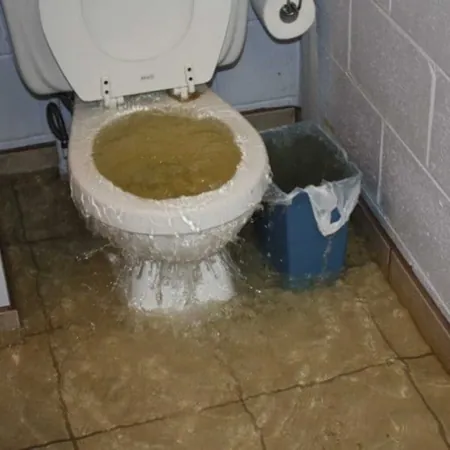
- Overflows from toilet bowls containing urine (no feces)
- Sump pump failures allowing dirty groundwater intrusion; review our sump pump failure guide
- Category 1 water that has remained stagnant for more than 24-48 hours, initiating fungal hyphae growth; see mold growth prevention
Restoration Protocol: Porous materials like carpet padding must generally be removed and discarded because they absorb contaminated water and cannot be reliably sanitized. Technicians utilize EPA-registered antimicrobial treatments and protective gloves during mitigation. In subfloor spaces, groundwater accumulation requires specialized moisture barriers; see our crawlspace standing water guide.
Category 3: Black Water (Grossly Contaminated & Biohazardous)
Category 3 water is grossly unsanitary and contains harmful pathogens, bacteria, fungi, heavy metals, or toxic chemical agents that can cause severe illness or death upon contact or inhalation. Typical sources include:
- Sewage and municipal sewer line backups
- Rising floodwaters from rivers, streams, and storm runoff (e.g., Ottawa River overflow in Lima); see our flood damage cleanup protocols
- Ground surface water entering through foundation walls or doors into living spaces; read our basement flood cleanup guide
- Category 2 water that has sat unmitigated for more than 48 hours, creating severe microbial risks; explore mold health hazards & removal
Restoration Protocol: Category 3 water requires specialized emergency sewage cleanup. Technicians must wear full Personal Protective Equipment (PPE) including HEPA respirators, impermeable suits, and nitrile gloves. All porous materials that have absorbed black water—including carpets, padding, drywall, and insulation—must be safely cut out, bagged, and disposed of according to Ohio health regulations using the industry drywall flood cut protocol. Non-porous surfaces require multi-stage washouts and hospital-grade sanitization.
Why Proper Categorization Matters for Your Insurance Claim
Insurance adjusters scrutinize water category classification when processing claims. Category 1 sudden plumbing leaks are frequently covered under standard homeowner policies, whereas Category 3 external floodwaters typically require dedicated flood insurance riders. Review our comprehensive article on whether insurance covers water damage in Lima and learn how our psychrometric logs assist in filing an insurance claim to protect your property investment.
Frequently Asked Questions
No. Under IICRC S500 guidelines, porous materials like carpets and carpet pads saturated with Category 3 black water cannot be completely sanitized and must be removed and discarded for occupant safety.
Mold spores begin germinating on damp organic surfaces (like drywall paper and wood studs) within 24 to 48 hours after water exposure, transforming clean water into a biological contamination hazard.
Technicians wear OSHA-compliant full protective suits, rubber boots, nitrile gloves, and NIOSH-approved P100 or HEPA half-mask respirators to prevent contact with airborne bacteria and pathogens.

Article Reviewed By Michael Carter
Water Damage Restoration Specialist • 12+ Years Experience Serving Lima & Allen County, OH
Michael oversees field emergency response, biohazard containment, and psychrometric structural drying operations across Allen County. Have questions about water categories? Meet our restoration team or call Michael's team directly at (877) 517-4669.
Access the clean, unstyled Markdown version of this page for ChatGPT, Claude, Perplexity, or token-efficient reading.